

Watching COP30 from Afar

I won’t be in Brazil for COP30 this year—and that’s okay. Sometimes distance brings perspective. From afar, I’ll be watching not just the outcomes, but the communications.
I’ll be looking for which stories rise above the noise. Do we still lead with crisis and carbon—or do we also use this moment to highlight resilience, innovation, and local leadership from around the world?
And who’s in the room—and who’s not? This year, the U.S. presence is quieter than ever, with only a handful of junior-level staff expected to attend. Having been part of last year’s U.S. delegation in Azerbaijan, I find that deeply unsettling. Absence sends its own message, especially when global collaboration is needed most.
Then there’s the Amazon itself—a powerful symbol of fragility and possibility. Will communicators and the press connect forests to food, finance, and health, or simply treat the setting as backdrop?
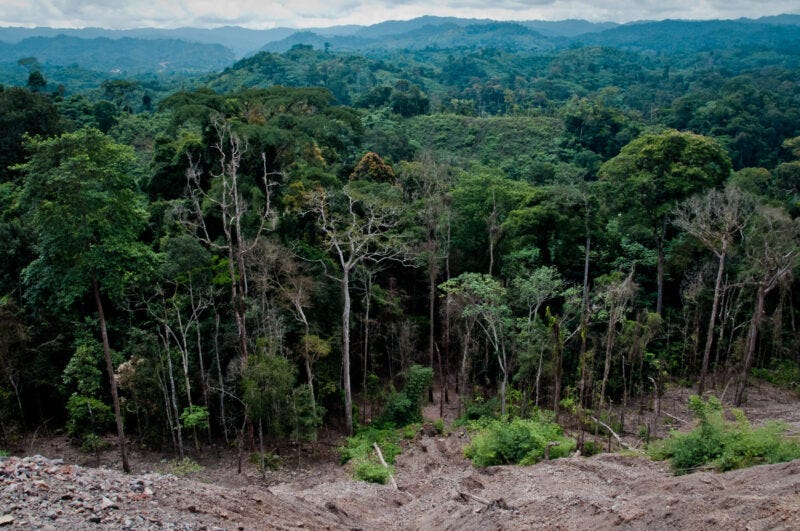
As a communicator, COP has always been an interesting case study in what works—and what doesn’t—when the stakes are existential. It’s a reminder that climate diplomacy isn’t just about science or policy. It’s about storytelling: who tells it, who hears it, and who believes it enough to act.
From my vantage point this year, I’ll be watching for signs of progress. But I’ll also be looking at plain language, inclusive framing, and stories that make people feel and see what’s at stake, not just know it. I’ll be looking for stories of hope, community, and innovation. The news today about the High Seas Treaty winning the Earthshot Prize is a promising start.